
TRT can be transformational, but there’s a lot of things to consider. This guide covers everything you need to start understanding whether TRT is right for you.
Read Time:
Table of Contents
1. Introduction
Testosterone Replacement Therapy, or TRT, is the treatment course for men with low testosterone levels (hypogonadism – we’ll discuss what ‘low’ means and the different types of hypogonadism later). It’s given to bring their testosterone back into a more normal range and hopefully alleviate the symptoms of low testosterone that they were experiencing.
Testosterone is the main male sex hormone (or androgen), responsible for (or at least contributing to) many aspects of men’s health such as body growth and composition, metabolism, fertility, libido and mood. When it’s low we start to feel the effects. These might be different for individuals, but the more noticeable signs include [1]:
Sexual symptoms:
- Low libido (lack of sex drive)
- Difficulty achieving or maintaining an erection
Physical symptoms:
- Low energy
- Fatigue
- Loss of bone density
- Weight gain
- Muscle loss
- Fat redistribution (particularly to gynecomastia, or ‘man boobs’)
- Difficulty building muscle
Mental/emotional:
- Anxiety
- Depression
- Brain fog
- Low motivation
It’s estimated that between 6-12% of men have low testosterone ([2]), though in certain populations and age groups the prevalence could be much higher. You may see figures as high as 40% quoted [3]. These higher rates are generally going to be from papers looking at older, less healthy men.
But papers can also focus simply on blood test results and not consider if the subjects have any symptoms of low testosterone, which is generally the first diagnostic criterion a doctor will consider before agreeing to put a patient on TRT.
Once we’re in our 30s or 40s it starts falling by about 1% per year ([4], [5], [6]). That may not sound like much, but it doesn’t have to fall all the way to zero for symptoms to start showing up. Just a few percent can tip the balance.
There are a number of causes of low testosterone levels. The main one is aging but injuries, certain illnesses or congenital conditions like Klinefelter syndrome, and some medications can all play a part [1].
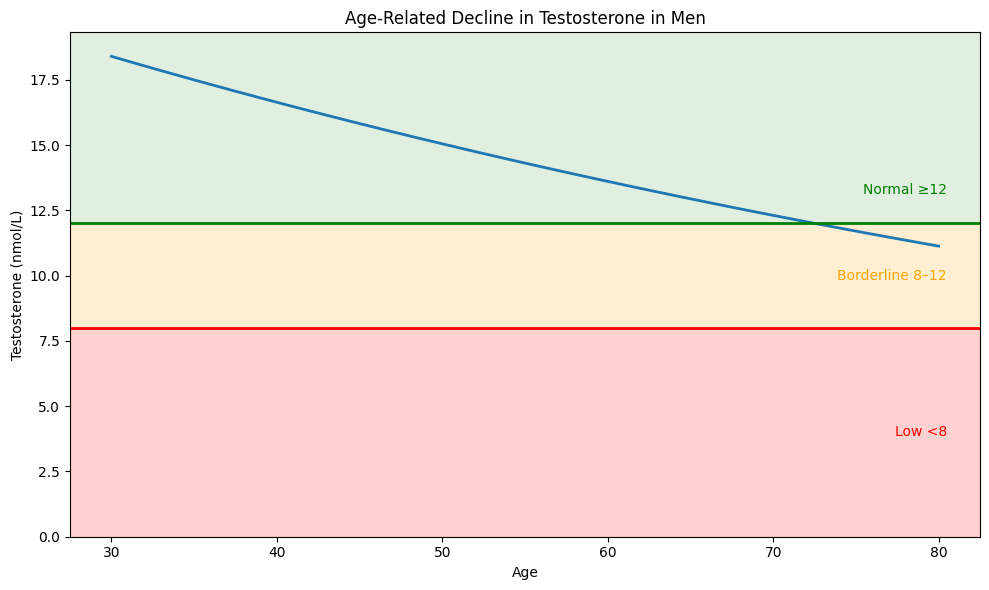
Figure 1: Age-Related Decline in Testosterone in Men
This guide is for men who may be experiencing some of those symptoms and want to know more about their options, or who are looking for a detailed resource they can use to learn about their own body and hormonal health.
You might be idly curious, considering TRT, or already some way along the journey and wanted to make sure there’s nothing you’ve missed.
In this article I’m going to give you all the facts you need to make informed decisions about your health, because it’s a sad fact that many men have to take the lead on this with their doctor and advocate for themselves (or go directly to a dedicated TRT clinic, which can be expensive, or a new experience for men in countries with extensive social health care).
There will be no bro-science or empty repetition of urban myths. It’s a long read – your body is an incredibly complex system operating on the scales of organs, cells, molecules and the overall integrated whole. But starting TRT can be a lifelong decision, so it’s worth taking some time to start off on the right foot.
I’m going to make each step clear and understandable. I’ve been a TRT patient for over 10 years, I’ve probably had many of the same questions you have but had to wade through a lot of junk to get clear answers. My hope is that by writing this I can save you a lot of that work and uncertainty.
Sources:
[1] Hypogonadism in Men. Endocrine Society, 24/01/2022
[2] Prevalence and Incidence of Androgen Deficiency in Middle-Aged and Older Men: Estimates from the Massachusetts Male Aging Study. Araujo et al, 2004
[3] Testosterone deficiency in adults and corresponding treatment patterns across the globe. Anaissie et al, 2016.
[4] The ‘male menopause’. NHS, 13/10/2022
[5] Testosterone therapy: Potential benefits and risks as you age. Mayo Clinic, 19/01/2024.
[6] Age Trends in the Level of Serum Testosterone and Other Hormones in Middle-Aged Men: Longitudinal Results from the Massachusetts Male Aging Study. Feldman et al, 2002
2. What is Testosterone?
2.1 The Role of Testosterone
Testosterone is a hormone. Hormones are molecules that the body uses to send a signal from one place to another – like nerve signals, but less targeted and a bit slower. Kind of like smelling something from across the room versus tasting it directly.
Testosterone is produced in the testes through a chain of chemical reactions that start with cholesterol as the raw ingredient. The process is controlled by a chain of other hormones starting in the brain (the HPTA, covered later), which form a feedback loop to ensure levels are maintained. This act of the body, turning one chemical into another through a chain of reactions, is called biosynthesis.
Once it’s been released from the testes, testosterone enters the bloodstream and makes its way around the body until it collides with a testosterone receptor on the surface of a cell. When that happens it activates the receptor and can set off a cascade of further chemical reactions inside the cell that have other specific and more localised end products.
For instance:
- In muscle cells testosterone stimulates the mTOR pathway (a chain of reactions) to produce more sarcomeres, which are the building blocks of muscle fibre. ([7])
- In the brain there’s an orchestra of regions that, when each activated by testosterone landing on receptors on cells in each of them, produce their own effects. Taken all together, these effects are experienced as libido, general sex drive, and more acute sexual desire. ([8])
- In our blood vessel linings it promotes the production of Nitric Oxide (NO), which helps relax the tissue allowing more blood to flow resulting in better erections. ([9])
- In our bone marrow it stimulates red blood cell production. ([10])
- It makes our bones denser. ([11])
- It affects our mood, behaviour and appetite for risk. ([12], [13], [14])
- It makes us hairy in some places, but can also lead to male-pattern baldness. ([15])
- It deepens our voices. ([16])
- It influences our metabolism. ([17])
It touches so many aspects of our lives. Many of these changes are greatly intensified during puberty, but testosterone continues to impact our minds and bodies all through our lives.
Testosterone can even act at a more fundamental level. There’s short-term signalling to our cells through membrane interactions, that’s the non-genomic pathway. But there’s also a genomic pathway. Once inside the cell it can bind with androgen receptors to interact with Androgen Response Elements (ARE), which are little sections of genes this molecule latches on to. If an ARE is bound that changes how the gene containing the ARE gets expressed ([18]).
Sources:
[7] Testosterone signals through mTOR and androgen receptor to induce muscle hypertrophy. Basalt-Alarcón et al, 2013.
[8] Testosterone and Sexual Desire: A Review of the Evidence. Nguyen, Leonard and Hsieh, 2021.
[9] Testosterone and erectile function: from basic research to a new clinical paradigm for managing men with androgen deficiency and erectile dysfunction. Traish, Goldstein and Kim, 2008.
[10] Testosterone Induces Erythrocytosis via Increased Erythropoietin and Suppressed Hepcidin: Evidence for a New Erythropoietin/Hemoglobin Set Point. Bachman et al, 2013.
[11] Testosterone and Bone Health in Men: A Narrative Review. Shigehara et al, 2021.
[12] Testosterone, mood, behaviour and quality of life. Zitzmann, 2020.
[13] Endogenous steroids and financial risk taking on a London trading floor. Coates and Herbert, 2008.
[14] Testosterone, Cortisol and Financial Risk-Taking Behaviour. Herbert, 2018.
[15] Differences in testosterone metabolism by beard and scalp hair follicle dermal papilla cells. Thornton et al, 1993.
[16] Effects of testosterone on the transgender male voice. Irwig et al, 2016.
[17] Testosterone: a metabolic hormone in health and disease. Kelly DM and Jones TH, 2013.
[18] Loss of androgen receptor binding to selective androgen response elements causes a reproductive phenotype in a knockin mouse model. Schauwaers et al, 2007.
2.2 Normal vs Low Levels
Defining what’s ‘normal’ is crucial because it sets the threshold for what counts as low, and TRT is only for men with low natural testosterone levels.
Societal healthcare aims to keep most people healthy enough, not in their personal peak condition – achieving that would require a team of dedicated specialists for every individual, which is usually reserved for professional athletes or highly dedicated amateurs.
So doctors need a quick guide they can use to assess whether you have a ‘normal’ amount of testosterone in your system or a lower amount which might warrant treatment.
Think of it like BMI: a quick, imperfect tool that works better at scale than for individuals. For example, someone with a BMI in the ‘overweight’ range could be carrying excess fat, or they could be a lean, muscular athlete. It’s not a perfect tool for individuals, but is effective across larger populations. ([19]).
The way to establish the ‘healthy norms’ is to simply look at a lot of people without obvious health problems and see what’s normal for them. There’s a more recent study ([20]) which seems to have gained acceptance as representing the norm. In this, about 9,000 young men without particular health problems or obesity from Europe and North America had their Total Testosterone levels measured and most (95%) were somewhere in the range of 9.2-31.8 nmol/L.
There are two bits of language to address here.
Firstly, what ‘Total Testosterone’ means.
In your body testosterone is released in its ‘raw’ form.
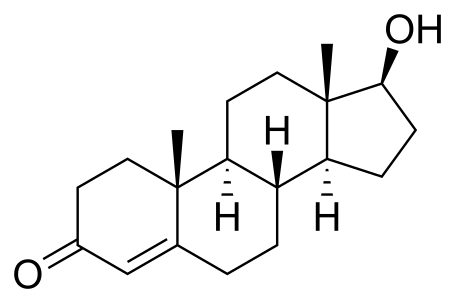
Figure 2: Testosterone’s molecular structure
But as it moves around, as well as binding to cells and molecules where it can actually do something, it can also get mopped up by other chemicals.
In fact most of your testosterone at any given time is bound up like this. Less than 5% of it is ‘Free Testosterone’ ([21]).
About half of your testosterone will be bound to a protein called albumin, and most of the rest to Sex Hormone Binding Globulin (SHBG) ([21]). Albumin and SHBG transport testosterone around the body and slow the rate it’s cleared from the body ([22], [23]).
‘Total Testosterone’ is a measure of how much there is in your system in all three states: Free, Albumin-bound and SHBG-bound.
Secondly, what ‘nmol/L’ means.
This is a unit, like miles per hour. It stands for nanomoles per litre and is a measure of how many molecules of something there are in a particular volume. It’s a measure of concentration. nmol/L is the prevailing unit used to measure Total Testosterone in the UK, Europe, Australia and Canada.
In the USA the preferred unit is ng/dL, or nanograms per decilitre. A decilitre is just a tenth of a litre. So ng/dL is still a measure of concentration, but it uses mass rather than the number of molecules. The paper I mentioned above, which found a range of 9.2-31.8 nmol/L, technically it reported a range of 264-916 ng/dL, and I applied the unit conversion. It’s like the difference between mph and km/h – both measure speed just with slightly different numbers.
Now, there’s a few more important notes.
The study which found that reference range measured the levels of a group of young men. Young men, aged 19-39. But testosterone starts declining as we age, particularly through our 30s and 40s ([4], [5], [6]).
Whichever organisation dictates diagnosis of low testosterone in your jurisdiction will have its own particular reference range – it might be the same range that study found, or something broadly similar based on their own assessment. But that’s the diagnostic guideline.
When your blood is sent to a lab for testing the results will (normally) come back with a reference range printed next to them, and that range could be completely different. And if you repeat the test at a different lab that could have a different reference range altogether!
For a study in 2006 ([24]) researchers phoned around 25 different labs to ask about their testosterone testing methodologies and reference ranges. From those 25 labs they got back 17 different ranges for Total Testosterone, with the ‘low’ point ranging from 130 ng/dL (~4.5nmol/L) to as high as 450 ng/dL (~15.6 nmol/L).
That’s either about 50% lower than the study I mentioned earlier, or half of its ‘high’ value. That could make it much harder or much easier for men to get treatment simply depending on which lab their test was performed at. Which emphasises my earlier point – if you’re considering TRT it’s essential that you educate yourself so you can be your own best advocate.
2.2.1 Symptoms over Bloodwork
There’s a final angle on what’s considered low, luckily this one’s not as technical. It’s also the most important, but something that’s often forgotten about.
All the talk of reference ranges above is a critical part of the diagnostic process/decision to treat. The ranges are essentially hard-pass filters – if your Total Testosterone is in the normal range, you’re extremely unlikely to get treatment. But there’s a criterion that comes before blood tests and that’s, simply, how are you feeling?
Do you have any of the symptoms of low testosterone? Because you could have an incredibly low level in your blood but feel absolutely fine. Or, you can develop the symptoms of low testosterone at higher levels.
Ultimately symptoms are something that can be overlooked by clinicians, patients and potential patients.
You only need TRT if you are experiencing symptoms. If it doesn’t improve them, you shouldn’t stay on it.
Sources:
[19] Obesity. NHS, 15/02/2023.
[20] Harmonized Reference Ranges for Circulating Testosterone Levels in Men of Four Cohort Studies in the United States and Europe. Travison et al, 2017.
[21] Association of Testosterone and Sex Hormone–Binding Globulin With Metabolic Syndrome and Insulin Resistance in Men. Li et al, 2010.
[22] A Reappraisal of Testosterone’s Binding in Circulation: Physiological and Clinical Implications. Goldman et al, 2017.
[23] Sex hormone-binding globulin regulation of androgen bioactivity in vivo: validation of the free hormone hypothesis. Laurent et al, 2016.
[24] Wide variability in laboratory reference values for serum testosterone. Lazarou et al, 2006
3. What is Testosterone Replacement Therapy (TRT)?
Luckily this is going to be a shorter section, because it’s not a complex question to answer.
TRT is Testosterone Replacement Therapy.
The goal of it is to restore your testosterone levels into the normal range so that your symptoms of low testosterone are resolved ([25]).
That’s it – if you have a problem, treat it so you feel better.
It’s a lifelong treatment. Because your levels were already low, and taking exogenous testosterone only further suppresses your natural production, TRT does nothing to ‘heal’ or restore your normal function. It replaces what was missing and shuts down whatever there was, reinforcing your dependence on it for testosterone. While it’s certainly possible to come off of TRT and restore your natural function (men do this when trying to conceive), you’ll only be back to where you were before treatment, at best. This is also why it’s generally recommended to explore a healthy lifestyle as a ‘treatment’ for your low testosterone levels before TRT – it’s possible your levels are only low because your body’s been struggling, and if you can restore normal function without a lifetime of medication, or risks of side effects, then so much the better.
It is meant to replace the testosterone you would have been producing naturally but now aren’t.
It isn’t designed to boost your testosterone beyond the normal range (to ‘supraphysiological’ levels).
It isn’t ‘roids’. Well, it is in the sense of the chemicals involved, but critically not in the dosing or the purpose. A typical TRT regimen will involve something like 100-150mg/week (that’s for injectable testosterone medications, gels and non-steroidal treatments will have their own dosages) ([26]). You do occasionally see higher doses, as much as 200mg/week, but this is about as high as genuine TRT will ever normally go and is less common.
Because TRT is supposed to be given to relieve the symptoms of low testosterone, only the minimum dose necessary for that is medically justified.
A dose that puts you at the higher end of normal may well feel great ([27]), I don’t doubt it, but at that point it’s a lifestyle drug not a medication. And living with higher levels of testosterone increases the chances of side effects such as acne, thicker blood or gynecomastia (or ‘man-boobs’) ([28]). More on the risks of TRT later.
A simple steroid cycle might be 500mg/week for 12 weeks, then a 12 week break. So over 24 weeks they’d have injected 6g testosterone, averaging 250mg/week. If you’re nudging into this territory you aren’t on TRT, you’re juicing (just constantly, not blast-and-cruising).
The reason I’m maybe getting a bit agitated on this point is that people promoting high-dose TRT of 200mg/week, or celebrities/influencers/athletes talking about their ‘TRT’ when it’s at higher doses are doing a significant disservice to the thousands of men who might see their messages and think ‘Wow, TRT transformed them, maybe I should get my levels checked.’. Yes, absolutely, get your levels checked – if you have symptoms. Don’t do it if you’re looking for a boost, a quick fix or a pick-me-up. Because if/when you are put on genuine TRT, don’t be surprised or disappointed that it hasn’t completely changed your body, because TRT isn’t ‘roids.
Genuine TRT does cause changes in body composition, yes ([29]), but its effects on its own are very subtle over time, and not really ‘transformative’.
TRT’s power here is more a psychological one – suddenly having some energy, some motivation, or having crossed the threshold of committing yourself to a lifetime treatment (which TRT is) can often be motivational and convince you to take better care of your body. To eat healthily and to work out more. And I am here for that, I encourage it, I celebrate it. But that healthy diet and that exercise are what will change the man in the mirror, not 100-150mg/week of testosterone that simply restores you to hormonal normalcy.
Sources:
[25] Testosterone Therapy in Men With Hypogonadism: An Endocrine Society Clinical Practice Guideline. Bhasin et al, 2018.
[26] Evaluation and Management of Testosterone Deficiency. Mulhall et al, 2024.
[27] Onset of effects of testosterone treatment and time span until maximum effects are achieved. Saad et al, 2011.
[28] Fundamental Concepts Regarding Testosterone Deficiency and Treatment. Morgentaler et al, 2016.
[29] Testosterone replacement increases fat-free mass and muscle size in hypogonadal men. Bhasin et al, 1997.
4. When is TRT Prescribed?
4.1 Symptoms of Low Testosterone
The first criterion in diagnosing low testosterone should be symptoms ([1], [25]). The symptoms can be grouped into three broad areas: sexual, physical, and mental.
Sexual symptoms:
- Low libido (lack of sex drive)
- Poor erection quality
- Difficulty achieving or maintaining an erection
Physical symptoms:
- Low energy
- Fatigue
- Loss of bone density
- Weight gain
- Muscle loss
- Fat redistribution (towards the abdomen or hips)
- Gynecomastia, or ‘man boobs’
- Difficulty building muscle
Mental/emotional symptoms:
- Anxiety
- Depression
- Brain fog
- Low motivation
Many of these symptoms can also come from conditions unrelated to testosterone ([30]), may be a normal part of aging, and can either arise together or be reinforced by each other. So you need to look for other factors that could explain them (such as stress, poor sleep, or poor diet) or for the increasing presence of many of them. Some may come on fairly quickly, but others may be more subtle. The more in tune you are with your body, and the more closely/regularly you pay attention to it, the better positioned you will be to notice changes.
One easy way to assess yourself over this collection of symptoms is the Androgen Deficiency in the Aging Male, or ADAM, questionnaire ([31]), a set of 10 simple yes-no questions. Many clinics will feature this on their websites as the very first part of their screening process. It’s far from definitive on its own, but is an easy starting point. And you can repeat it over time to see if your symptoms may be getting worse/more numerous.
4.2 Diagnostic Criteria
The exact diagnostic criteria vary by country – for example, the USA’s Endocrine Society guidelines ([25]) differ from the UK’s British Society for Sexual Medicine guidelines ([30]).
Typically though, a diagnosis will require:
- The presence of symptoms
- Two morning Total Testosterone blood tests, taken a few weeks apart and ideally while fasted
- These may also include other checks such as:
- Luteinizing Hormone (LH)
- Follicle Stimulating Hormone (FSH)
- Prolactin
- A full blood count
These help your doctor to check for underlying conditions that could be causing your symptoms and to understand the nature of your low testosterone (if it does turn out to be low)
If you have symptoms, both tests return results beneath your doctor’s diagnostic threshold, and no other health problems explain them, you’re probably a candidate for TRT.
Sources:
[30] The British Society for Sexual Medicine Guidelines on Male Adult Testosterone Deficiency, with Statements for Practice. Hackett et al, 2023.
[31] Validation of a screening questionnaire for androgen deficiency in aging males. Morley et al, 2000.
5. Types of TRT Treatments
If your doctor agrees that TRT is a viable course for you then there are a range of options that should be available (although again, the exact options may differ according to your jurisdiction and/or healthcare provider).
5.1 Injections
- Injection is one of the most direct ways to receive your TRT medication
- Injections are typically performed into a muscle (intra-muscular, or IM), and large muscles like the glute, quad or deltoids (that’s the butt, thighs or shoulders)
- They can also be done into subcutaneous (under-the-skin) fat (sub-Q) ([32])
- The injection is a mixture, mostly made up of a carrier oil (this might be castor oil, peanut oil, sesame oil or others – let your doctor know about any allergies) and the testosterone medication itself
- The testosterone won’t be ‘raw’ testosterone, but rather a testosterone ester
- An ester is a molecule of testosterone that’s had a ’tail’ attached to it
- This ester ’tail’ slows down the rate at which your body processes the testosterone
- Without it the testosterone would be used up very quickly
- You’d either need to inject very frequently, or go through a very short period of effects followed by a long period of feeling nothing at all
- For more information read ‘All About Testosterone Esters’.
- Testosterone takes time to work, and esters give it that time
- Different esters slow the body’s metabolisation of testosterone by different amounts
- Testosterone undecanoate (sold as Nebido) is one of the slowest
- This ester has a half life of around 90 days ([33])
- That means that 90 days after injection, half of the dose you received has been de-estered by the body releasing the basic testosterone molecule to do its job
- 90 days later half of what’s left has been released (so 75% of the original dose), and so on
- Testosterone enanthate has a much shorter half life, about 4.5 days ([34])
- Some preparations, such as Sustanon, contain a mix of different esters
- In theory this leads to a smoother release over time
- You don’t just get a quick peak in the day/s after injection, but you also don’t get a drawn-out period where less is being released as you do with very long half-life esters
- Shorter esters require injection more frequently, typically once a week (though some men go for twice a week, or even daily options), while longer esters like undecanoate mean you can go 2-3 months between doses
- More frequent injection regimes are likely to be done yourself at home, while if you’re on a long-acting ester this might be done by your doctor
5.2 Gels & Creams
- Gels and creams are another very popular option, especially for men who don’t want to get injections
- You’ll be given a bottle with a hand pump, not unlike a liquid soap dispenser, which measures out your daily dose, which you rub onto your body (normally the shoulders)
- The testosterone is absorbed transdermally, through the skin
- The high frequency application means that your levels will be very stable day-to-day, and so you shouldn’t experience even small variations in symptoms ([35])
- It’s a very low-fuss method and not as intimidating as injections, but isn’t without its problems
- If you don’t clean your hands thoroughly after application, or if you have a lot of skin-to-skin contact with family members on the area you apply the gel/cream, then there is a risk that residual gel/cream could transfer to them
- This can then cause them to receive the side effects of extra testosterone, particularly masculinisation in women or early-onset puberty in children, as these groups are particularly sensitive to testosterone’s effects ([36])
- Different people absorb testosterone through the skin at different rates – eg, if you have thicker skin then not as much of the medication will make it into your body
5.3 Patches
- Patches are another transdermal method
- They have a lower risk of transfer to other people
- The patch might cause some skin irritation
5.4 Oral T
- Simply put, a pill (actually, it’s normally a gel cap)
- This will typically contain testosterone undecanoate – the same long-half-life ester discussed in the Injections section above
- When taken orally though most of the drug is removed from your system before it can be processed
- So while you’ll ingest a lot more testosterone undecanoate this way than if going by injection (perhaps 320mg/day, vs 1000mg/3 months), most of it never has a chance to be turned into testosterone
- Your body captures and uses a fraction of it each day
- It’s not a very common treatment option and you may struggle to find a provider that will offer it
5.5 Pellets
- Unlike all the methods described above, testosterone pellets actually contain raw testosterone – no esters.
- Pellets are inserted under your skin by a doctor, and they gradually release the hormone over time.
- They can achieve a consistent daily rate as, without esters, there are no half-lives that need to stabilise and there are no peaks and troughs ([37])
- As with oral testosterone, they’re not a very common option, but they do see some use (particularly in the USA)
Sources:
[32] Subcutaneous Injection of Testosterone Is an Effective and Preferred Alternative to Intramuscular Injection: Demonstration in Female-to-Male Transgender Patients. Spratt et al, 2017.
[33] Nebido 1000 mg/4 ml solution for injection. Medicines.org.uk, 08/03/2023.
[34] Andrology: Male Reproductive Health and Dysfunction, page 442. Nieschlag E, Behre and Nieschlag S, 2010.
[35] Long-Term Pharmacokinetics of Transdermal Testosterone Gel in Hypogonadal Men. Swerdloff et al, 2000.
[36] Risk of transferability and variable absorption of topical testosterone creams in children and adolescents. Vanderniet and Neville, 2024.
[37] Pharmacokinetics and pharmacodynamics of testosterone pellets in man. Handelsman, Conway and Boylan, 1990.
6. Benefits of TRT
Once you start TRT the testosterone will take a little while to start taking effect, but some symptoms respond quicker than others. This is because of testosterone’s various roles in the body – your mood and energy might improve fairly quickly, but you aren’t going to look in the mirror after one week and see 10 lbs of fat has turned into muscle – those systems need more time to actually grow or shrink.
And, it should be said, TRT won’t miraculously excuse a poor lifestyle – if you overeat then you’ll still put on fat (just maybe very slightly less), if you don’t work out then you won’t put on muscle. At least, not as much.
In 1996 it was demonstrated that a high dose of steroids (higher than is used for TRT purposes at least) caused men to gain more muscle than men given a placebo. This was true whether or not they were also taking part in exercise ([38]). But I want to emphasise that the doses used were much higher than TRT doses.
But, over time you should see an improvement in your symptoms. This could mean:
- An improvement in libido
- Easier, better erections
- More lean mass
- Less fat mass
- Improved mood
- More energy
- Less brain fog
The table below summarises when you might start to notice a change in certain areas, and how long the peak effect can take ([27]). Some of these you might only notice in a blood test, others might be more visible. It’s important to note that the exact benefits, the degree to which you experience them, and when they become noticeable, will be highly individual.
| Effect domain | Effect onset | Peak effect |
|---|---|---|
| Sex drive | 3 weeks | 6 weeks |
| Erections | – | 6 months |
| Quality of life | 3-4 weeks | – |
| Mood | 3-6 weeks | 18-30 weeks |
| Hematocrit | 3 months | 9-12 months |
| Prostate | – | 12 months |
| Lipids | 4 weeks | 6-12 months |
| Insulin sensitivity | Days | – |
| Blood sugar response | – | 3-12 months |
| Body composition | 12-16 weeks | 6-12 months+ |
| Inflammation | 3-12 weeks | – |
| Bone density | 6 months | 3 years+ |
If you stop taking TRT then the benefits will eventually revert. If it’s a permanent stoppage then it’s likely that all of your previous symptoms will return. If it’s a temporary stoppage (eg, to restore fertility and try for a baby), then the ‘quick’ symptoms like sex drive or mood might return, but the ‘slow’ symptoms like lowered bone density or increased fat mass might not. At least not fully. This will very much depend on your lifestyle and the duration of the stoppage though.
And I’ll reiterate my earlier point – TRT isn’t magic. If you really want to get the most out of it, to see significant improvements in your health and life, you need to put in the work to ensure you have a healthy body for the testosterone to work with. That means getting enough sleep, enough water, a healthy diet and proper exercise. In fact, without those basics in place you might not see any benefit at all.
Sources:
[38] The effects of supraphysiologic doses of testosterone on muscle size and strength in normal men. Bhasin et al, 1996.
7. Risks & Side Effects
TRT isn’t without its side effects. Elevated testosterone can have some very noticeable effects on the body – you may remember some of these from your teens. TRT can cause oilier skin or acne. The improved libido might be a bit of a distraction. And while TRT only seeks to return your levels to a normal adult range, that would still be an elevation against where you were before treatment.
There are some more serious potential side effects though.
7.1 Polycythemia / Stroke / High Red Blood Cell Count / Hematocrit
Because testosterone stimulates the production of red blood cells ([10]), you can end up with too many – a condition known as polycythemia. Too many red blood cells is dangerous because they make your blood thicker and more likely to clot.
Elevated hematocrit (a measure of how much of your blood, by volume, is actually taken up by red blood cells) is considered a stroke risk factor ([39]). Your doctor should make sure you get a regular Hematocrit test.
If your hematocrit score creeps too high then your doctor should recommend a treatment. This could be a good old fashioned blood-letting, what we call now phlebotomy, to remove some of the excess cells or reducing your TRT dose, among other options.
This is a very important risk to be aware of, and if your doctor isn’t monitoring it you need to hold them to task on it. The nature of polycythemia means that even if you otherwise live a perfectly low-stroke-risk lifestyle, TRT could put you at risk. So make sure you’re tested regularly ([25]).
7.2 Infertility and Testicular Volume (Shrunken Testes) / Testicular Atrophy
Fertility is another area that can suffer on TRT. TRT has actually been investigated as a possible male contraceptive since it’s so effective at suppressing sperm production ([40]). The levels of testosterone a healthy body produces are normally controlled by a network of organs and hormones acting together, known as the HPTA – the Hypothalamus-Pituitary-Testicular Axis. You might also see it referred to as the Hyptothalamus-Pituitary-Gonadal axis, or HPGA. ([41]).
The levels of testosterone circulating in the blood are detected by the hypothalamus, which is a small part of the brain positioned deeply and centrally. It controls some fundamental functions like temperature, appetite, thirst and sleep. Normally, as circulating testosterone falls the release of Gonadotropin Releasing Hormone (GnRH) from the hypothalamus increases.
This GnRH makes its way to the pituitary, a pea-sized part of the brain just below the hypothalamus. The pituitary is responsible for producing a number of hormones, but so far as we’re concerned here the main ones are Luteinizing Hormone (LH) and Follicle Stimulating Hormone (FSH). Once released, these are eventually detected in the testicles, where they stimulate the production of testosterone and sperm respectively.
That testosterone makes its way back up the brain where the hypothalamus picks it up and turns down the GnRH signal to the pituitary. The testicles slow down their production, testosterone levels fall, and the cycle begins again.
In a healthy male this interplay of different hormones and organs happens over a day. Testosterone levels typically peak in the morning – this is why men get morning wood, and also why you should take your Total Testosterone blood tests in the morning.
But when your testosterone is exogenous, that is it comes from outside the body (as opposed to endogenous, from within) that day-night cycle is disrupted. The half life of your dose is now the controlling factor. Your blood levels will be more constant throughout the day, so the hypothalamus always thinks there’s plenty of testosterone around. It never sends the GnRH signal to the pituitary, which in turn never sends the LH/FSH signals to the testicles. Without LH and FSH sperm production shuts down. Over time, this even causes the testes to shrink and atrophy.
For many, if not most men, this is undesirable. The testicular shrinkage may ‘only’ be cosmetic but that’s no reason to dismiss it as unimportant. And fertility risks can significantly change our life plans. Fertility can often be recovered by stopping TRT, though this recovery takes many months, sometimes up to 2 years. But recovery isn’t guaranteed ([42]).
There is often the option of supplementing your TRT with Human Chorionic Gonadotropin (hCG). This is another hormone that, in men, mimics LH. That signal to keep testicular production of testosterone alive can prevent shrinkage and atrophy ([43]).
You might be wondering how hCG, which mimics LH but not FSH, can help maintain fertility if it’s FSH and not LH that’s responsible for sperm production. This is because FSH contributes to sperm production through a number of mechanisms, but overall plays more of a supporting role, rather than being the single master switch. It activates Sertoli cells, which support sperm production but they don’t initiate it. That actually happens in spermatocytes and is triggered by testosterone. But it requires very high levels of testosterone, which the Sertoli cells normally help concentrate in the region by the production of Androgen Binding Protein (ABP).
Without ABP, IntraTesticular Testosterone (ITT) can’t reach levels needed for normal sperm production. But hCG, mimicking LH, can help ITT levels stay just high enough to keep spermatogenesis going (through proximity alone if nothing else). It’s not perfect but it can often be enough to maintain sufficient fertility. If hCG alone can’t restore fertility to the required level, there is Human Menopausal Gonadotropin (hMG), which contains both LH and FSH ([44]).
You might worry that, if you sought out a TRT + hCG combination therapy you’d be introducing yet more side effects over baseline TRT. But hCG is actually a generally well tolerated addition that doesn’t significantly alter TRT’s side effects (beyond the desired maintenance of testicular size and fertility). In fact, many men report an additional improvement in general wellbeing, suggesting it may play a role in the brain improving mood – it’s been noted that hCG can stimulate LH receptors in the brain, and this is a possible pathway but the science is in its infancy.
There are some more cosmetic side effects that can be seriously concerning for the men affected by them: gynecomastia and hair loss. And they shouldn’t be dismissed ‘just because they’re cosmetic’ – their effects on men’s confidence, self esteem and quality of life can be enormous.
7.3 Gynecomastia / Gyno / Man-boobs
gynecomastia is the technical term for man-boobs, when your body builds up tissue in the chest leading to a more proportionately, traditionally feminine shape. This is more likely to happen when our estrogen levels rise.
“But I’m taking testosterone, that’s like the opposite of estrogen!” you might think. And yes, that’s certainly how the two hormones are typically characterised. But it’s not an either-or situation.
Men’s bodies need a little bit of estrogen for optimum function, as women’s bodies need a degree of testosterone. To facilitate this we evolved aromatase, which is an enzyme which converts testosterone into estrogen (specifically estradiol, aka E2) ([45]). When our testosterone levels are higher there’s more around for aromatase to work on, so our estrogen levels rise.
If this happens to a high enough degree, over a long enough period of time, then the elevated estrogen can have meaningful effects on our bodies. Elevated estrogen can lead to gynecomastia ([46]), and depressive symptoms ([47]).
Estrogen levels aren’t normally tested for, so you have to be watchful for symptoms like reduced erections/libido, poor mood, lower energy, fluid retention, weight gain, or gynecomastia. Most of the other symptoms will disappear if estrogen levels are corrected, but as gynecomastia involves the actual growth of new tissue it can be more permanent.
Early warning signs include puffy or sensitive nipples. Caught early, your TRT dose can be adjusted or there may be medications you can take. But if the breast tissue is allowed to fully develop then the only way to fully reverse it requires surgery.
7.4 Hair Loss / Male-pattern Baldness
Like gynecomastia, TRT can cause hair loss through a derivative of testosterone, rather than the hormone itself – dihydrotestosterone (DHT). As powerful as testosterone is, DHT is even more powerful and has very strong effects on some of our systems, like our voice, hair and prostate. In fact, while we say testosterone affects these systems it’s really only because some of our testosterone gets converted into DHT. That’s a normal chemical pathway.
In body-hair follicle cells (and this includes facial hair), DHT causes the hair to become darker and thicker. But scalp follicles react differently ([15]). Instead, these follicles shrivel up, leading to a weaker hair that is thinner and falls out sooner. Eventually the follicle will shrivel so much that it stops producing any meaningful hair at all.
Different men have different degrees of sensitivity to DHT in their various hair follicles, and TRT doesn’t change that. Rather, the extra testosterone you have is just more fuel for a fire that was going to burn anyway – that is, TRT can accelerate male-pattern baldness in those who were going to experience it anyway, but it shouldn’t cause it if it wasn’t already on the cards for you ([48]).
This needs emphasis because it’s a commonly repeated misconception that testosterone causes hair loss, it doesn’t. TRT can accelerate hair loss in men who were already predisposed to it.
There are ways to manage this. Medications such as minoxidil boost blood supply to the follicles and can be applied as a topical liquid/foam, or taken orally as a pill. Finasteride or Dutasteride reduce the conversion of testosterone into DHT ([49]).
Some men report some serious and permanent side effects from these though, a phenomenon known as Post-Finasteride Syndrome (PFS). The medical community is fairly skeptical of PFS, but patient communities seem quite adamant about it ([50]). It’s enough that, skeptic that I am, I don’t think I can in good conscience mention these drugs without also flagging PFS to you and saying that if you’re considering them, consider them fully.
7.5 Prostate Cancer / Prostate Enlargement / Benign Prostate Hyperplasia
Historically TRT had been identified as increasing the risk of prostate cancer. Happily, modern studies and reviews make it clear that TRT has no association with prostate cancer ([28]). There may be an association with benign prostate hyperplasia – that is, non-cancerous enlargement of the prostate. But low testosterone itself is also a risk factor ([28]). Your doctor may decide to monitor this with regular Prostate-Specific Antigen (PSA) tests ([25]).
7.6 Cardiovascular Health
Again, historically TRT was associated with worse heart health. More recent evidence and reviews point to no increased risk ([51], [52]), which muddies the waters. Other meta-studies ([53]) have also found no overall relationship, but do point to one study that found an increased risk in a particularly unhealthy group of older men ([54]).
Science is constantly generating new knowledge that can up-end what we thought we knew, a few more big, high quality studies could settle this one way or the other. But the attitudes around TRT and heart health do seem to be shifting. It’s not the full reversal that the prostate cancer risk has been through, but it’s not as clearly a risk as it once was.
Concerns about TRT and (risk of) heart disease or prostate cancer shouldn’t keep you from speaking to your doctor, and if you’re still concerned that TRT may increase the risks then you can look into decreasing your risks with lifestyle adjustments.
Further, because of the way that most TRT treatments are broken down in the body, with half-lives on the order of days or weeks, if you’re going the injection route you won’t have the same amount of testosterone every day.
There’ll be a lot of testosterone released in the days after your injection, followed by a period of a more balanced level of daily release, but then some days where there’s not as much testosterone left to be released.
These peaks and troughs can be noticeable ([55]), especially if you go for longer periods between doses. You might experience changes in mood or skin condition (oiliness, or acne flare ups) in line with them. You should pay attention to how you feel, see what patterns emerge, and if the situation doesn’t seem to be improving then speak to your doctor. They might suggest splitting your dose up into smaller but more frequent injections so that you receive the same dose over time, but the peaks aren’t as high and the troughs aren’t as long. If you can balance these out your levels should be more even and your experience smoother.
Sources:
[39] Haematocrit, hypertension and risk of stroke. Wannamethee, Perry and Shaper, 1994.
[40] Rate, extent, and modifiers of spermatogenic recovery after hormonal male contraception: an integrated analysis. Liu et al, 2006.
[41] Short-Acting Testosterone: More Physiologic? Westfield et al, 2020.
[42] Recovery of spermatogenesis after hormone therapy: what to expect and when to expect it. Stahl, 2017
[43] Indications for the use of human chorionic gonadotropic hormone for the management of infertility in hypogonadal men. Lee and Ramasmathy, 2018.
[44] HMG versus recombinant FSH plus recombinant LH in ovarian stimulation for IVF: does the source of LH preparation matter?. Orvieto, 2019.
[45] Aromatase inhibitors in men: effects and therapeutic options. de Ronde and de Jonge, 2011.
[46] Estrogen: The necessary evil for human health, and ways to tame it. Patel et al, 2018.
[47] Increased estrogen level can be associated with depression in males. Stanikova et al, 2017.
[48] Understanding Pattern Hair Loss—Hair Biology Impacted by Genes, Androgens, Prostaglandins and Epigenetic Factors. Trüeb, 2021.
[49] Finasteride in the treatment of men with androgenetic alopecia. Finasteride Male Pattern Hair Loss Study Group. Kaufmann et al, 1998.
[50] Post-finasteride syndrome: real or myth? Carson, 2024.
[51] Cardiovascular Safety of Testosterone-Replacement Therapy. Lincoff et al, 2023.
[52] Cardiovascular safety of testosterone replacement therapy in men: an updated systematic review and meta-analysis. Corona et al, 2024.
[53] Testosterone Replacement Therapy and Cardiovascular Risk: A Review. Corona et al, 2015.
[54] Adverse Events Associated with Testosterone Administration. Basaria et al, 2010.
[55] Effects of long-term treatment with testosterone enanthate in rhesus monkeys: I. Pharmacokinetics of testosterone, testicular volume and liver metabolism of testosterone. Tyagi et al, 2001.
8. Alternatives to TRT
The treatment options discussed above are all focused on getting more testosterone into the body. But there are a couple of other ways that low testosterone can be treated that don’t involve directly adding testosterone itself to the body.
In fact we’ve already discussed one of these – hCG.
8.1 hCG Monotherapy
When used to treat low T on its own, the use of hCG is called hCG Monotherapy. hCG is injected regularly (into subcutaneous fat, rather than into deeper muscles), from where it makes its way to the testes and stimulates the Leydig cells to produce testosterone. This can be plenty to alleviate symptoms, but if your low testosterone was caused by a dysfunction in the testes themselves – Primary Hypogonadism, rather than a problem earlier in the HPTA – Secondary Hypogonadism, then it may not be as effective.
hCG Monotherapy can be effective, but it can also boost your estrogen and hematocrit, so there can be side effects.
8.2 Clomid
The other non-testosterone option is Clomiphene (also written Clomifene) Citrate, or Clomid. Clomid is a Selective Estrogen Receptor Modulator (SERM). That means that it changes (modulates) the way that estrogen is re-absorbed by the body, with different effects in different tissues (selectively). You may think that estrogen is undesirable in the male body but it’s actually critical to our wellbeing. We have the molecular machinery to produce it from our testosterone and this is how it’s normally maintained.
Just as circulating testosterone is detected by the hypothalamus and lowers activity in the HPT axis, so is estrogen. Clomid works by blocking estrogen at the hypothalamus. The hypothalamus is tricked into thinking we need more estrogen and so it signals the pituitary to boost production of testosterone through the same LH and FSH hormones as TRT shuts down ([56]).
The benefit is that because both LH and FSH are increased (and by estrogen sensors rather than testosterone sensors), testosterone production is increased without shutting down our fertility ([56]). Clomid also blocks the action of estrogen in breast tissue, which normally stimulates that tissue to grow. Without that stimulation breast tissue can shrink, reversing gynecomastia – another side benefit.
Clomid is normally taken in pill form too, so administration is easy. But there are actually two ‘clomid’ drugs available, because there are two isomers, or versions, of the chemical: Clomiphene, and Enclomiphene. They’re both basically the same chemical, just put together slightly differently. It’s not a full on mirror reversal, which you might see if you look up a description of ‘chemical isomers’. The molecule is a bit too complex for that. This is more like a Mr Potato Head toy that’s had its mouth and nose swapped around. One version of the molecule is called zuclomiphene, and the other is enclomiphene.
The basic ‘Clomiphene’ drug contains a mix of enclomiphene and zuclomiphene. The ‘Enclomiphene’ drug only contains the enclomiphene version. Enclomiphene is generally held to have a better side-effect profile than the en/zu mixed clomiphene. The basic clomiphene medication has been in use for a long time, so I don’t want to give the impression that it’s considered dangerous at all. Just that with purified enclomiphene we have an option that’s held to be better.
Because it still relies on the testes to produce testosterone, if they’ve failed as in Primary Hypogonadism (opposed to Secondary Hypogonadism, where the issue lies elsewhere in the HPTA), then clomid may not be effective.
And because it still interferes with our hormone systems it’s no surprise that clomid does come with some side effects. Particularly, cardiovascular risks, mood swings, and an increase in visual disturbances (particularly, eye floaters). So as always, discuss with your doctor.
8.3 Off-label use of medications
Just a brief note here that I needed to include in its own section as it’s about both hCG and Clomid. These medicines both share a problem – they have generally only been approved for use as fertility drugs in men, not for the treatment of hypogonadism. They certainly work for both, but in the fertility paradigm their testosterone-boosting properties are seen as more of a side effect. Unfortunately, while they can be perfectly effective for testosterone restoration, your doctor may not be able (or willing) to approve their use for off-label purposes.
To clarify, this isn’t to say that there’s any safety issues – the medicines are still approved for use, just not this particular use. Think of something like aspirin, which was originally a painkiller but can now be used to prevent heart attacks. Or GLP-1 agonists like semaglutide (Ozempic) – it had been in use to help manage type 2 diabetes for many years, but recently has seen a massive surge in off-label use for weight management.
This will depend on the jurisdiction you’re in and the healthcare provider you’re under. So if these treatment routes do interest you, ask your doctor.
8.4 Lifestyle Changes
And lastly, the least appealing treatment: diet and exercise.
Multiple studies have shown that exercise can boost testosterone:
- High Intensity Interval Training (HIIT, brief periods of exercise done near maximum effort) increased it by 2.2nmol/l (17%) ([57])
- A mix of aerobic and anaerobic exercise boosted it by 1.2nmol/l (7%) ([58])
- This meta-study found a moderate impact from aerobic exercise ([59])
It should be noted, though, that those studies are all in either older, obese, and/or diabetic men.
Weight loss, particularly from obese conditions, has been shown to improve testosterone ([60]). But how you achieve that weight loss can matter – low-fat diets may actually decrease testosterone by a small-to-moderate amount ([61]).
These effects may not be as large as injecting testosterone, they may take longer to achieve, be less certain and require a lot more effort. But unlike medications, diet and exercise are generally free from side effects (especially if performed safely and sensibly), and come with a host of side benefits. If nothing else, they might buy you a few years before you have to commit to TRT, and might put some life in your years too.
Sources:
[56] Outcomes of clomiphene citrate treatment in young hypogonadal men. Katz et al, 2012.
[57] Exercise training improves free testosterone in lifelong sedentary aging men. Hayes et al, 2017.
[58] Testosterone and exercise: effects on fitness, body composition, and strength in middle-to-older aged men with low-normal serum testosterone levels. Chasland et al, 2021.
[59] The Effects of Aerobic Exercise Training on Testosterone Concentration in Individuals Who are Obese or Have Type 2 Diabetes: A Systematic Review and Meta-Analysis. Healy et al, 2024.
[60] Impact of Weight Loss on Testosterone Levels: A Review of BMI and Testosterone. Okobi et al, 2024.
[61] Low-fat diets and testosterone in men: Systematic review and meta-analysis of intervention studies. Whittaker and Wu, 2021.
9. Monitoring & Long-Term Management
Once you’re on TRT it’s important to monitor your treatment. As mentioned, regular hematocrit tests are necessary to manage the risks of polycythemia. You’ll need one before your treatment to establish your baseline, and at 3, 6 and 12 months after starting treatment to see if the TRT is having any effect on your red blood cells. After the first year the frequency of testing can be reduced. ([25], [30])
Testosterone can affect our lipids ([62]) – the fats in our blood, like triglycerides and both good and bad cholesterol. The exact effects can be a bit unpredictable but it’s a good idea to keep an eye on these.
And lastly, while TRT is no longer considered to increase your risk of prostate cancer it can be implicated in prostate enlargement. A PSA test can tell your doctor if there’s any change here. The PSA is a simple blood test, the ‘finger-up-the-bum’ test is a Digital Rectal Exam (DRE), and wouldn’t normally be called for as part of TRT monitoring unless your doctor has seen a concerning change in your PSA levels. Your doctor might decide it’s necessary at diagnosis if you’re over 40 or have some other risk factors ([25], [30]).
Here’s a complete testing regimen that should ensure you’re completely monitored:
| Test | When | Why |
|---|---|---|
| Total Testosterone | At diagnosis, 3, 6, and 12 months, then annually | Confirms treatment is keeping levels in target range |
| Hematocrit | At diagnosis, 3, 6, and 12 months, then annually | Detects polycythemia risk |
| Lipids | At diagnosis, 3, 6, and 12 months, then annually | Monitors cholesterol/triglyceride changes |
| PSA | If over 40: at diagnosis, 3, 6, and 12 months, then annually | Screens for prostate changes |
| LH & FSH | At diagnosis, then to assess fertility if that’s a concern | Distinguishes primary vs. secondary hypogonadism, checks fertility impact |
| SHBG | At diagnosis | Helps calculate free testosterone if needed |
| Estradiol | If symptoms arise | Checks for estrogen as a possible cause of side effects |
Beyond lab work, it’s also a good idea for you to keep a journal of your symptoms ([63]), even before diagnosis if you think you’re heading in that direction. This could be as simple as a weekly repeat of the ADAM test and a general noting of any particular symptoms you’ve noticed over the past week (or reduction in symptoms), such as energy levels, strength in the gym, libido/erection difficulties. This can help in your diagnosis, and in ensuring you’re getting the right level of treatment.
An important note for my juicier readers: some (most) of the oral steroids used for more recreational purposes, like anavar, winstrol, dianabol, and others, are 17α-alkylated. This is a chemical modification that means they can be taken orally, but unfortunately they can be quite harsh on the liver when they’re broken down ([64]). A regular Liver Function Test (LFT) is a very good idea. Medical TRT patients, you don’t need to worry about this. The approved TRT preparations/esters, hCG, and Clomid should all be liver-safe.
Sources:
[62] Effects of testosterone on body composition, bone metabolism and serum lipid profile in middle-aged men: a meta-analysis. Isidori et al, 2005.
[63] Effects of Testosterone Treatment in Older Men. Snyder et al, 2016.
[64] Anabolic Steroid Effect on the Liver. Niedfeldt, 2018.
10. Living with TRT
If you’re suffering from the symptoms of low testosterone then starting TRT can make all the difference in the world. There are a range of treatment options available. It’s extremely unfortunate that not all options are available to all patients, depending on their healthcare providers. And even more so that the only way to access some options in some jurisdictions is to seek out private treatment at personal expense. But the growing number of men taking up TRT suggests that many can find a way that works for them, even if it’s not their first choice of treatment.
There are a few lifestyle considerations to make, beyond cost, when considering your options.
The main one is your comfort with needles. Injectable testosterone may be intimidating, but you absorb more of the medicine without risk of transferring it to others, particularly women and children, through skin-to-skin contact or even through your clothes. That risk might be considered an absolute deal-breaker.
Also, travelling internationally with needles (and a controlled substance) can be tricky. You should check the laws in your destination country as testosterone might be very strictly controlled there. It’s generally a good idea to keep a letter from your doctor confirming their contact details and your prescription details with your medication.
I also want to address some social/emotional aspects of low testosterone and living on TRT.
As TRT is, fundamentally, ‘steroids’ it can carry some stigma. But if you have a genuine medical need for it then that stigma isn’t for you.
You’re using TRT so you can have a healthy and fulfilling life and even simply find the energy to get out of bed in the morning.
- You aren’t doping.
- You aren’t juicing.
- You aren’t cheating.
You’re just trying to get back to where you should have been anyway.
You are a patient, not an abuser.
It says nothing about your masculinity that you’re considering or on TRT. Not unless everyone starts becoming 1% ‘less a man’ every year once they hit middle age. Not unless Joe Rogan, Alan Ritchson, Sylvester Stallone, or Robbie Williams aren’t manly (not one of those is a fight I’d pick, but hey, be my guest). A poor night’s sleep can temporarily decrease testosterone levels, so maybe a late night partying, or looking after a sick child or young baby makes you less of a man? Of course not.
In seeking out TRT you’re taking charge of your health, claiming some responsibility for it. And it is a responsibility. You’re going to have to make sure you adhere to your dosing schedule for the rest of your life, and you’re probably going to have to advocate for your treatment because many doctors still dismiss TRT patients for seeking a bit of youth in a syringe, an easy answer.
But the number of men on TRT is increasing every year and so the stigma falls.
11. Conclusion
TRT is the supervised medical treatment of low testosterone to alleviate real symptoms.
It’s relatively simple to identify the symptoms and the diagnostic tests are even easier, though doctor attitudes can be a barrier.
There are a number of treatment options, and side effects and risks are usually quite manageable, especially with a knowledgeable doctor and proper monitoring of a few biomarkers, making the treatment a net positive for your health.
If you need it then TRT can make a world of difference to your quality of life, and can spur further engagement with your health that only compounds the benefits and help you lead a more fulfilling life.
It’s not magic, it’s not an easy answer or a lazy way out – it can bring you back to the baseline and on its own that’s where you’ll stay. That’s still better than living with the symptoms of low testosterone though.
If you’ve made it this far then thank you for sticking with me. I can only assume that that means you’re as interested in health as I am. Truly, I find this a fascinating subject and the coordination of all these different systems in the body is simply a marvel.
12. Afterword
Candidly, this is the first article written for this site. In fact it’s the first article I’ve written full stop. I’m not a writer, I’m not a doctor or an endocrinologist – I’m a man who realised my body wasn’t behaving the way it should and took action to get the treatment I needed. So when I started writing this I had no idea whether I’d make it to the end or not.
I’m glad to have completed it (it’s been a slog). More than that, I’m glad that now I know I have it in me to write something roughly coherent about TRT. That means I have it in me to write more, and the more I write then the more men like you I might be able to help understand and take care of their bodies.
There’s a lot more content planned covering every aspect of TRT I can possibly think of. Most of it won’t be anywhere near as long as this, I promise!
Please, browse the site – read, sign up to the newsletter to be notified about new content, and stick with me while I improve as a writer so I can better serve you and our community.
Ollie